What Storefront & Panic Bar Repair Actually Involves
The phrase 'panic bar repair' covers a surprisingly wide range of hardware failures. A crash bar — also called a panic bar or push-rail exit device — is a spring-loaded mechanism that must unlatch under roughly 15 pounds of force per ADA and fire-code requirements. When the internal spring loses tension, the push rail bends from an impact, the latch rod corrodes, or the end-cap strikes wear out, the door can either refuse to open in an emergency or fail to secure after closing. Our technicians diagnose the specific failure point rather than simply swapping the entire unit, which often saves significant time and avoids unnecessary parts costs.
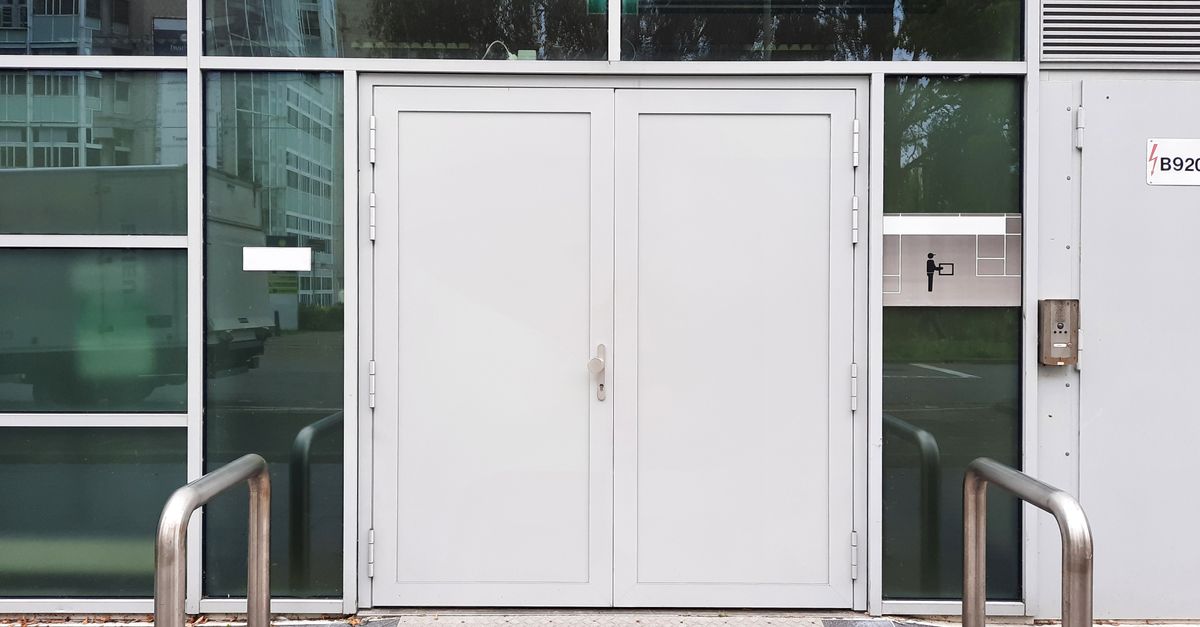
Glass storefronts introduce additional complexity. Aluminum-framed commercial doors typically use a surface-mounted or recessed mortise lock body that ties directly into the panic device's vertical rod system. A mortise lock panic bar combination means the cylinder, cam, and latch must all move in coordinated sequence — misalignment anywhere in that chain causes binding, incomplete latching, or a door that looks locked but isn't. We carry mortise lock bodies, cylinders, strike plates, and panic-bar trim kits sized for the most common commercial aluminum door profiles found across Oyster Bay's mix of 1970s strip retail and newer Main Street-adjacent storefronts.